How to Stay Safe While Waiting for a Tow Truck in Mareeba
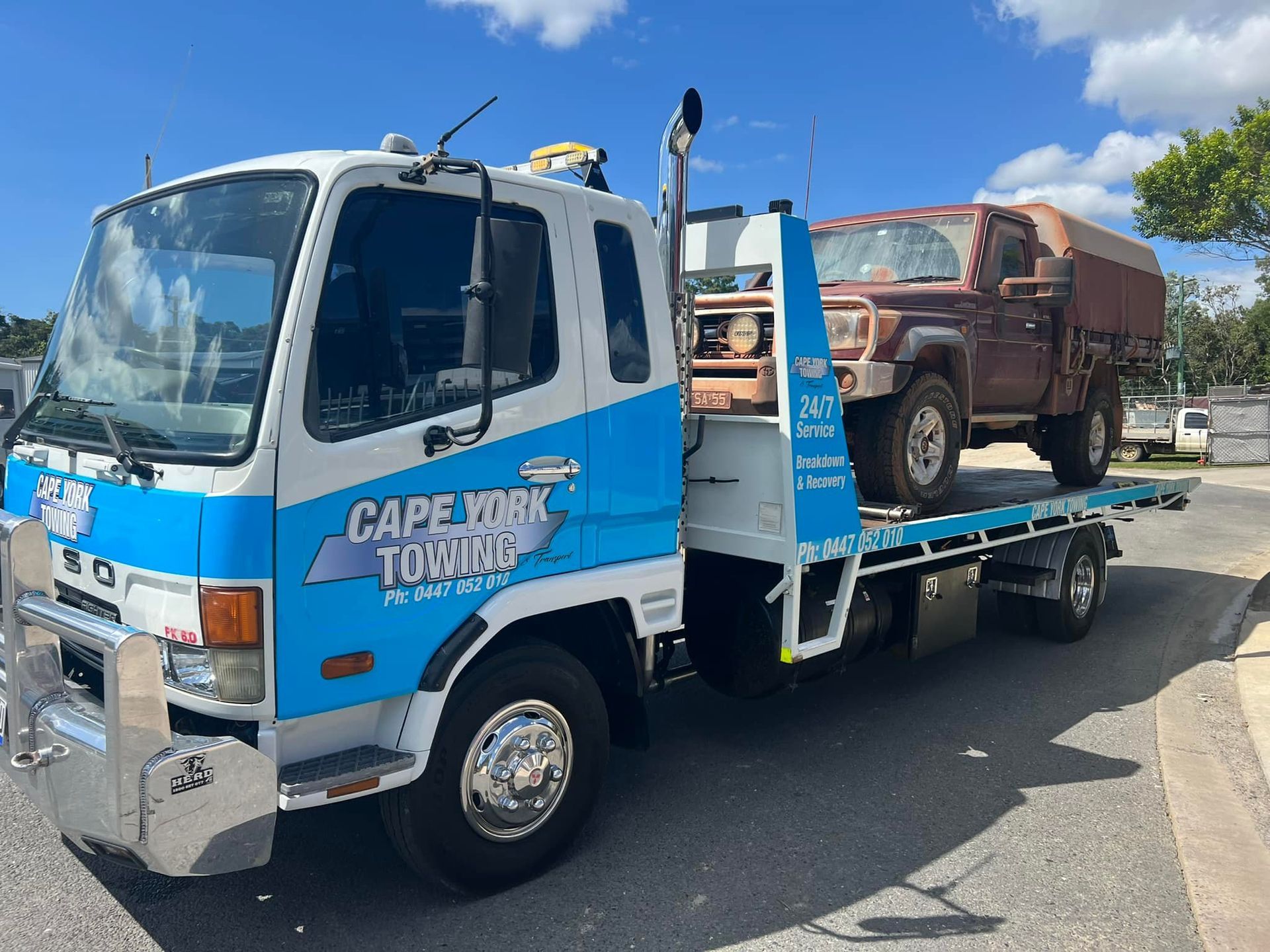
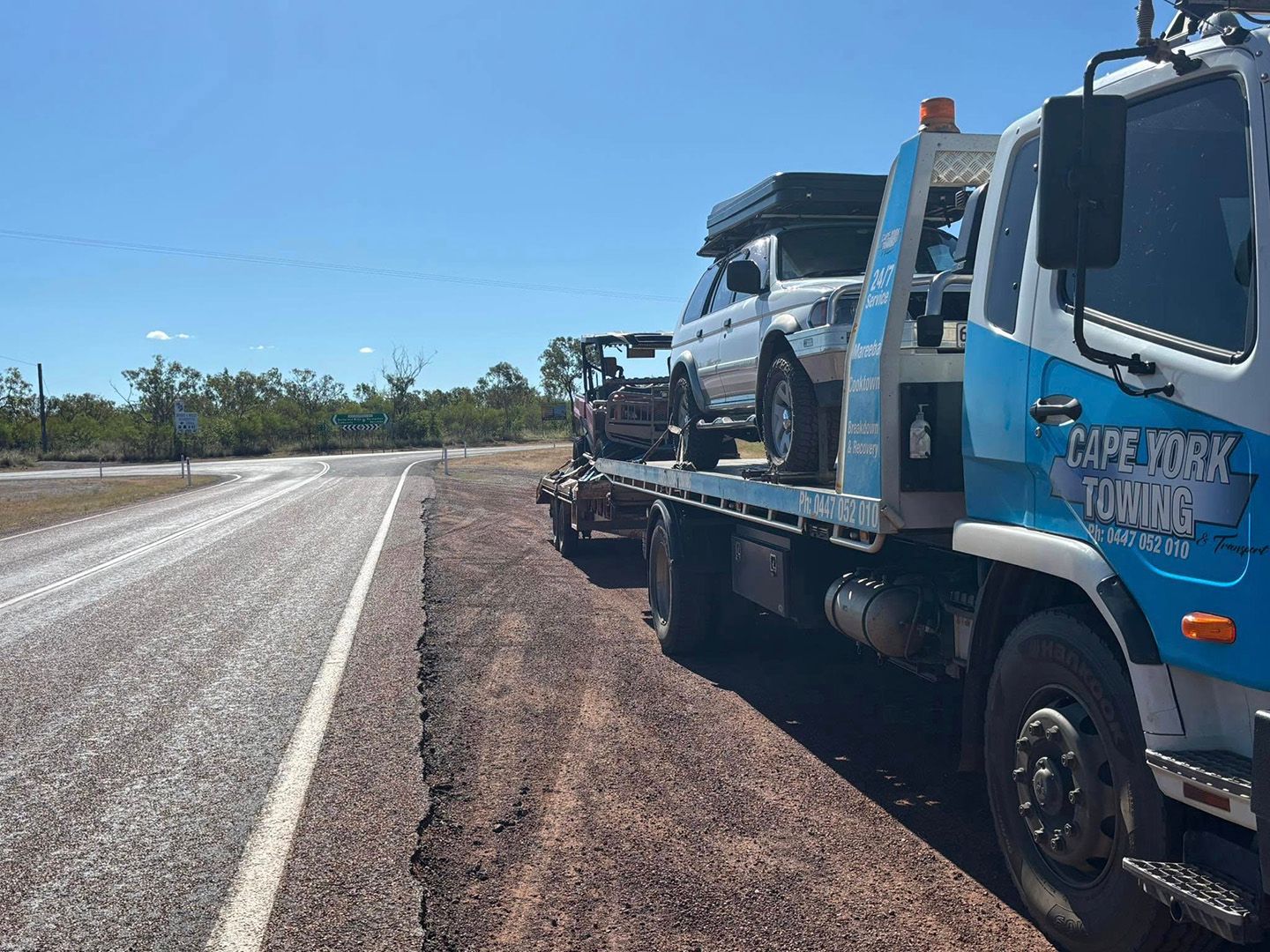
A breakdown on the Tablelands rarely happens somewhere convenient. One minute you are rolling along the Kennedy Highway, the next you are pulled onto a gravel shoulder with the bonnet ticking and no clear sense of what to do next. It is an unsettling feeling, especially if you are unfamiliar with the area or travelling with family. The good news is that the wait itself is where most of your safety is won or lost. If you've broken down, our emergency tow truck in Mareeba is on call for exactly these situations, and knowing how to stay safe until we arrive matters just as much as the phone call that brings us out.
What to Do While You Wait for a Tow Truck
If you take nothing else from this guide, take this. The moment your car stops, your job is to make yourself visible, get clear of moving traffic and pass on your location as precisely as you can. Panic wastes time you do not have, so slow down and work through it step by step. Everything else can wait until help is on the way.
Your first minute should look like this:
- Pull as far off the roadway as the shoulder allows and switch on your hazard lights.
- Ring for help and give a landmark, not just a road name, so dispatch can find you fast.
- Move yourself and any passengers to the safest available spot away from passing vehicles.
Get those three things done and you have already handled the part that most drivers get wrong.
Should You Stay in Your Vehicle or Wait Outside?
This is the question we hear most often, and the honest answer depends on where you have stopped. There is no single rule that fits every breakdown, which is why generic advice can actually put you in more danger on a fast regional road. The safest decision weighs how close you are to traffic against how easily you can reach solid ground away from it.
The right choice usually comes down to:
- Staying belted inside if you are close to live traffic and cannot reach a safe verge.
- Moving well clear of the road, behind a barrier or fence line, if traffic is passing at speed.
- Getting everyone out on the side away from traffic, never the side facing oncoming cars.
When in doubt on a highway, distance from the traffic lane keeps you safer than the shell of the car does.
Staying Safe on Remote Mareeba & Tablelands Roads
Long stretches between Mareeba, Atherton and the outer stations mean you can be waiting a while, sometimes with barely another vehicle in sight. That isolation changes how you should position yourself and your car while help makes its way out to you. The few vehicles that do pass are often locals who know the road well and drive it at pace, so you cannot count on them slowing for a stopped car.
A few practical habits make a real difference here:
- Set a warning triangle back from the vehicle so approaching drivers get plenty of notice.
- Stand off the bitumen and uphill of the car if you have stopped near a crest or bend.
- Keep children and pets on the verge side, well away from the traffic edge at all times.
On a quiet road it is tempting to relax, but the vehicles that do come through are often travelling fast and not expecting you.
FNQ-Specific Hazards: Heat, Patchy Reception & Wildlife
Far North Queensland throws in problems a city breakdown never involves. Tropical heat builds quickly inside a stationary car, mobile signal drops out across much of the Tablelands, and livestock and wildlife wander onto the road day and night. Each of these can turn a routine wait into something more serious if you are not prepared for it. Planning for them before they bite keeps a frustrating delay from becoming a dangerous one.
Three local hazards deserve particular attention:
- Rising cabin heat, which can become dangerous fast, so keep water within reach and rest in shade off the road.
- Reception blackspots, which are common out here, so try walking to higher ground if a call will not connect.
- Straying animals, from cattle to roos to feral pigs, which can appear without warning day or night.
If your roadside membership covers the call-out, it is worth understanding how insurance towing in Mareeba works before you dial, so there are no surprises when we arrive.
What to Have Ready So Your Tow Truck Arrives Faster
Every minute counts when you are stranded, and the details you provide directly shape how quickly we reach you. A clear description gets a driver moving in the right direction the first time, rather than circling a stretch of highway looking for a car that could be anywhere. On roads with few obvious markers, that clarity can shave real time off your wait.
Have this ready before you call:
- Your location described by landmark, kilometre marker or nearest property, not just the road.
- The vehicle make, model and colour so our driver can spot you on arrival.
- A short account of the fault, whether it is a flat, a no-start or an accident.
The clearer your picture, the sooner the truck is loaded and you are back on your way.
Save Our Number Before You Need It
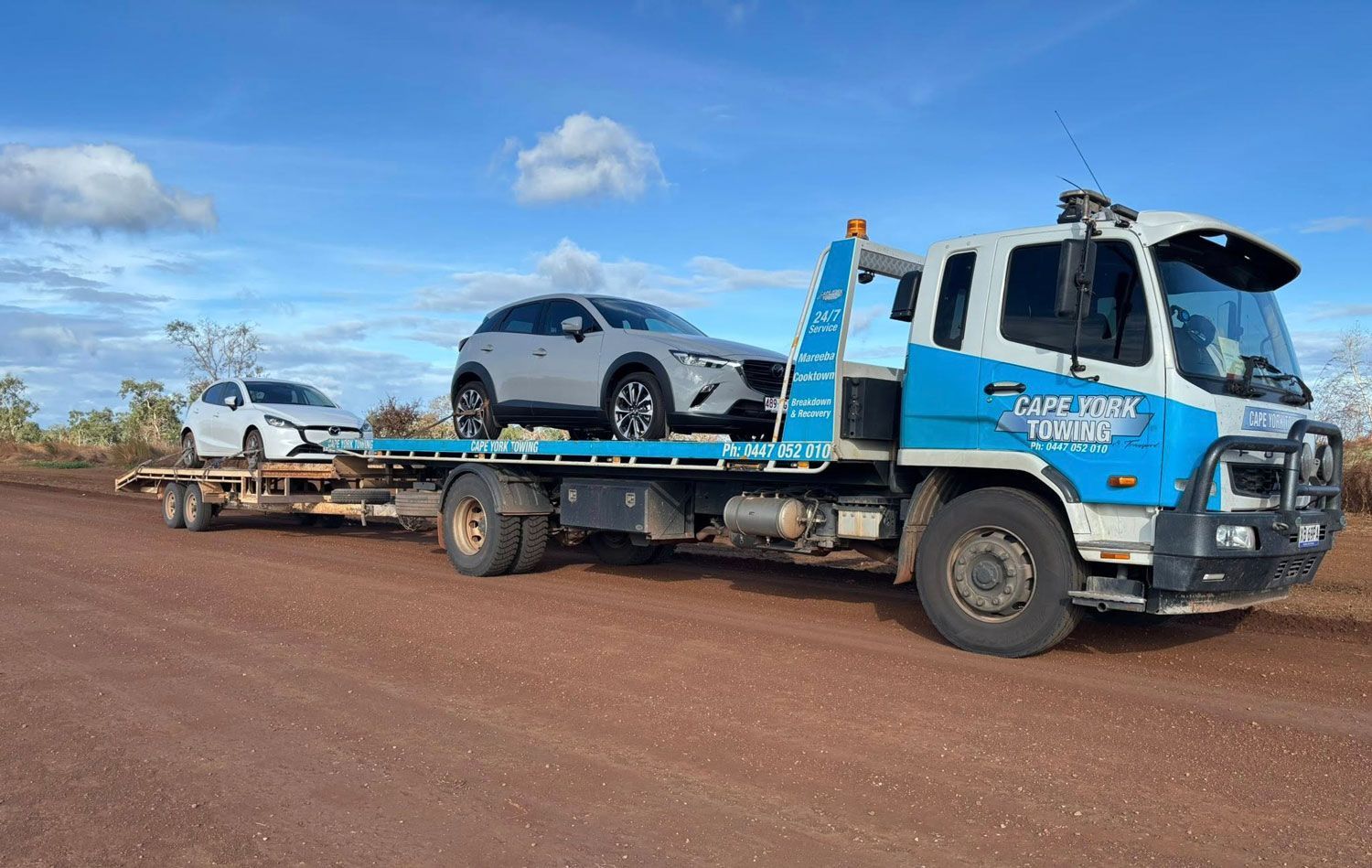
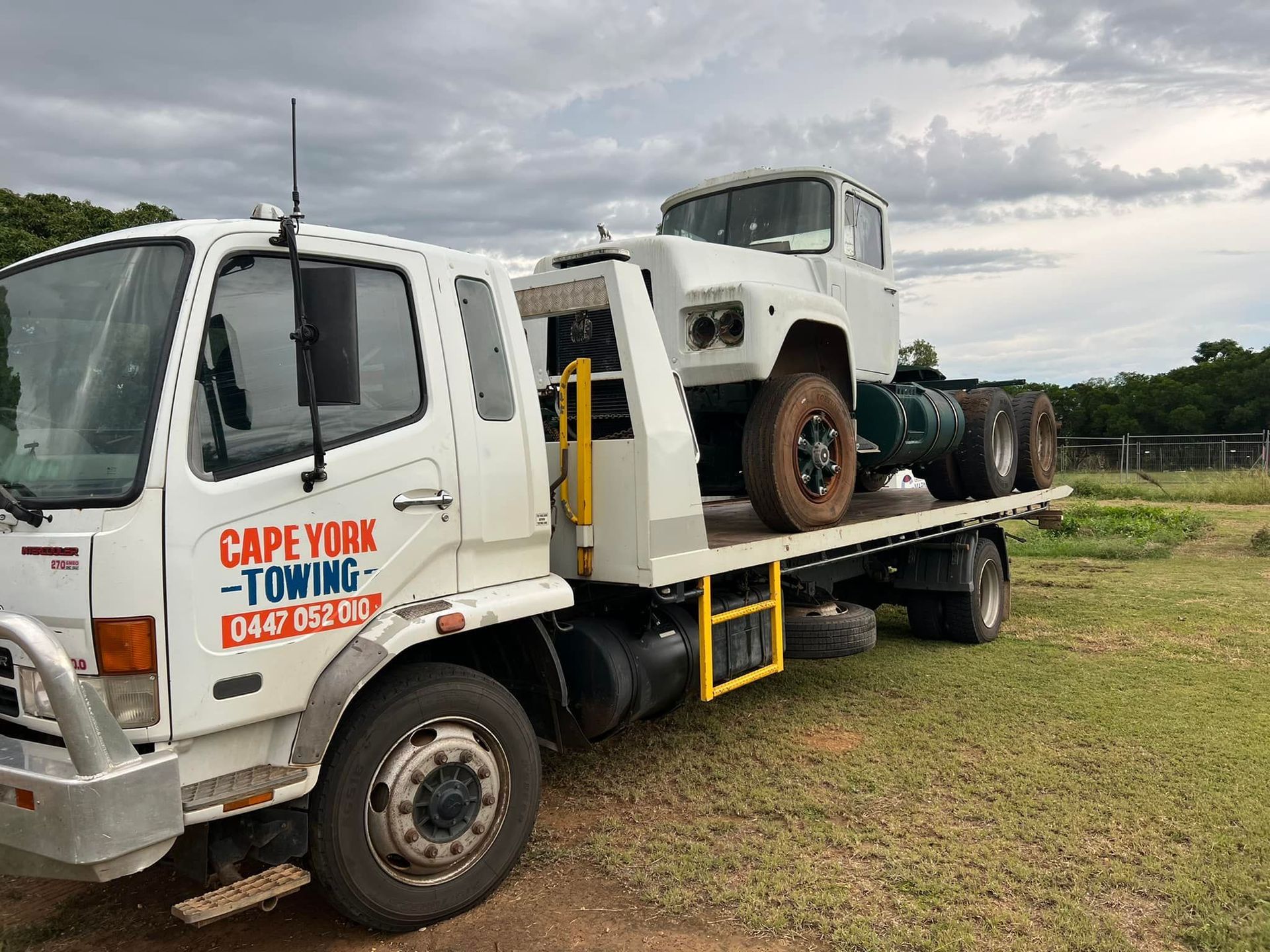
We at Cape York Towing & Transport spend our days attending breakdowns and accidents right across Mareeba and the Tablelands, from after-hours call-outs on remote highway stretches to recoveries in the middle of the wet. We know these roads, the distances involved and the realistic wait times that come with them, and we bring that local knowledge to every job. If you are stranded now, call us and we will talk you through staying safe while we head your way. If you are reading this before trouble strikes, save our number so a tow truck in Mareeba is only ever one call away. And if you need the vehicle moved a longer distance afterwards, we also handle car transport across Cairns and the Tablelands.
Frequently Asked Questions
Is it safer to stay in my car or get out while waiting for a tow?
It depends on where you have stopped. If you are close to fast-moving traffic and cannot reach a safe verge, staying belted inside is often safer. If you can get well clear of the road, behind a barrier or fence, that distance from traffic is usually the better choice.
What should I do first when I break down on a remote road?
Get the car as far off the carriageway as possible, switch on your hazard lights and call for help with a clear landmark. Then move yourself and any passengers to the side away from traffic while you wait.
What information does the tow truck driver need from me?
Your precise location by landmark or kilometre marker, the make, model and colour of your vehicle, and a brief description of the fault. These details help dispatch send the right help and reach you faster.
What if I have no mobile reception on the Tablelands?
Reception drops out across much of the region. Walking a short distance to higher ground often restores a signal. If you regularly travel remote stretches, it is worth saving a towing number and telling someone your route before you set off.