Car Transport Insurance: What's Covered When You Move Your Vehicle
Yes, most professional car transport providers carry insurance while your vehicle is in their care, usually carrier's liability or goods in transit cover. But the amount, conditions and exclusions vary a lot between operators. If you're booking car transport in Cairns for an interstate move, the real question isn't whether your car is covered. It's how much, for what and what you need to do to make a claim stick.
This guide explains how the two main layers of protection work, where the gaps usually are and what to ask before you hand over your keys.
Is Your Car Insured While It's Being Transported?
In most cases, yes, but only partially. Two policies can protect your vehicle during a move: the transport provider's insurance and your own car insurance. Neither one automatically covers every scenario.
Transport providers typically set out their liability in their terms and conditions, and those terms often cap the amount they'll pay per vehicle. Your own policy may or may not extend to a car being carried by someone else. Before you book
interstate car transport, it's worth asking exactly how your vehicle is protected from pickup to delivery, and getting the answer in writing.
What a Transport Provider's Insurance Typically Covers
Most car carriers hold some form of carrier's liability or goods in transit insurance. This cover typically responds to damage the carrier causes while your vehicle is in its possession, including:
- Damage during loading or unloading, such as contact with ramps or the truck deck
- Collisions or accidents involving the transport vehicle
- Fire while the vehicle is on the truck or in a depot
- Theft of the vehicle while in the carrier's custody
Cover is usually subject to a per-vehicle limit and may carry an excess. For standard family cars, the limit may be more than enough. For high-value, classic or heavily modified vehicles, it may fall well short of what the car is actually worth. That's where your own policy, or additional cover, matters.
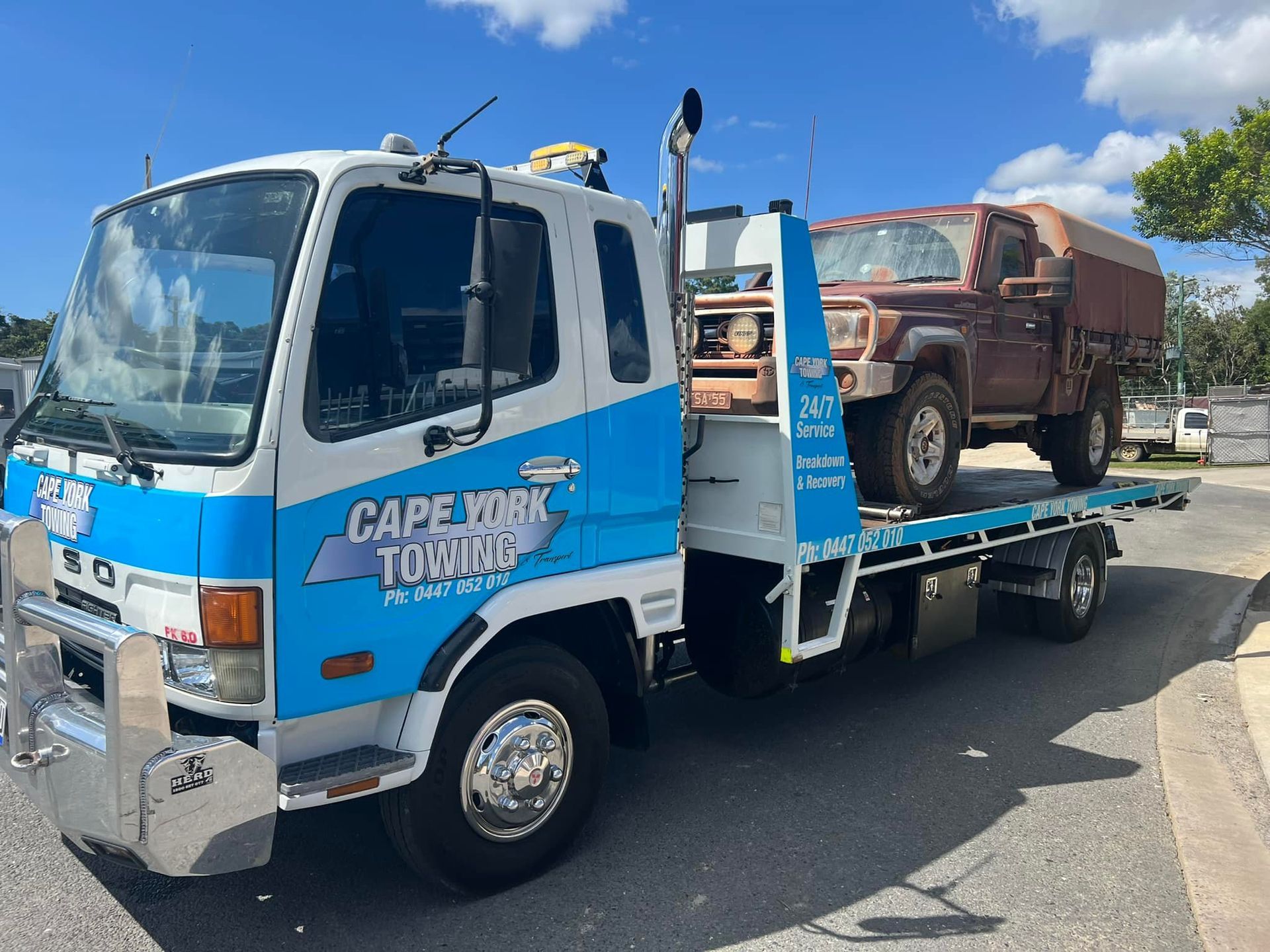
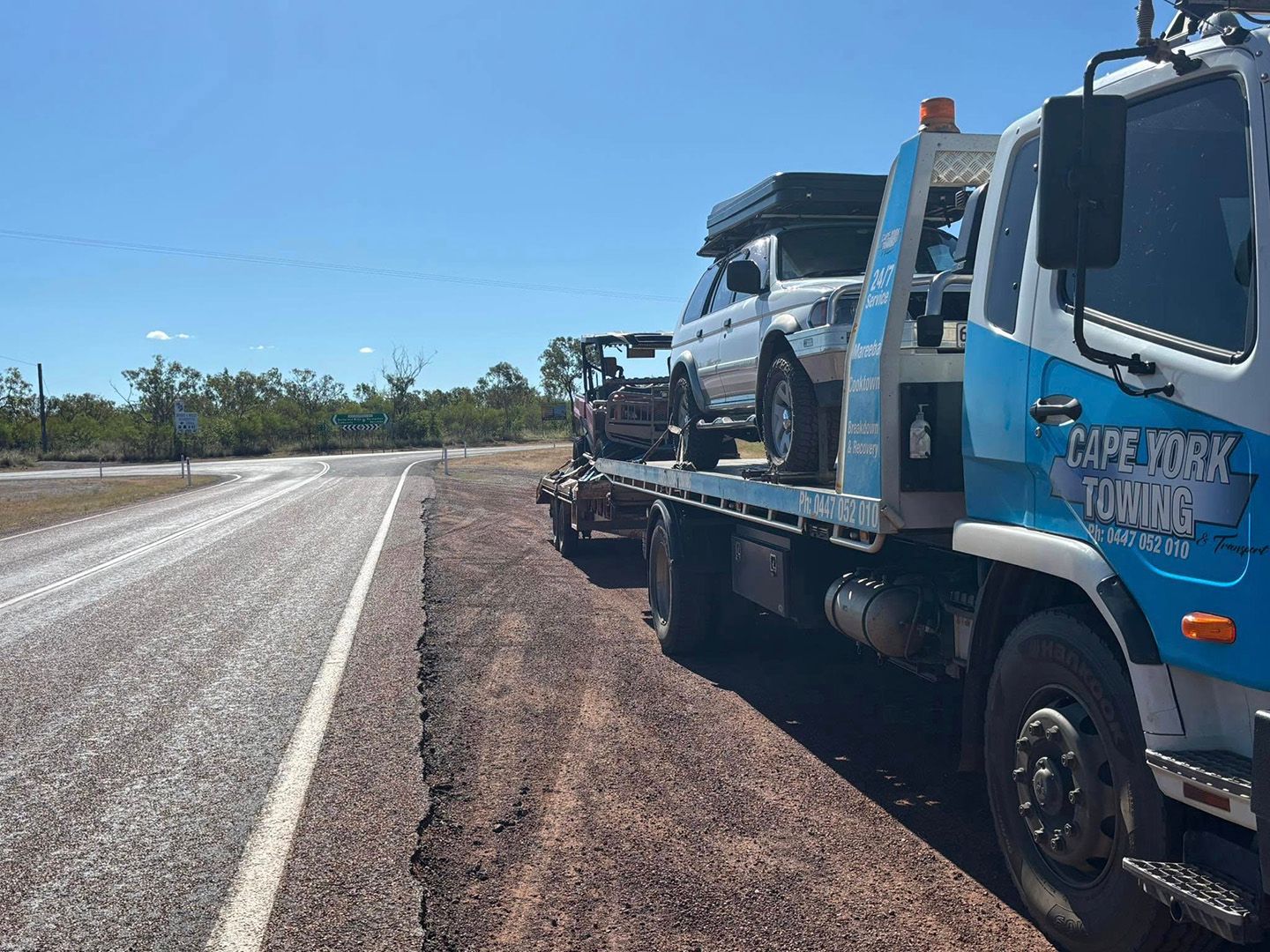
Whichever provider you use, including Cape York Towing & Transport, ask what type of cover they hold, the limit per vehicle and whether you'd pay an excess on a claim. These details differ between operators, so don't assume one carrier's terms match another's.
What Your Own Comprehensive Policy May Cover
Some comprehensive car insurance policies continue to cover your vehicle while a third party transports it. Others exclude it, limit it or require you to notify them beforehand. There's no universal rule, so call your insurer and ask a specific question: "Am I covered for damage while my car is on a transport truck interstate?"
If you only hold third-party property cover, your own car generally won't be covered for damage in transit. In that case, the carrier's insurance becomes your main protection.
It's also worth asking your insurer whether a transit claim would affect your no-claim bonus. Where the carrier caused the damage, your insurer may pursue the carrier to recover the cost, but processes vary between insurers.
Common Exclusions to Be Aware Of
Exclusions are where most disputes happen. According to industry best practice, you should read the carrier's terms closely for these common exclusions:
- Personal belongings left inside the car, which carriers generally don't cover (and may not allow)
- Pre-existing damage that wasn't recorded at pickup
- Mechanical or electrical faults not caused by the carrier, such as a flat battery or a failed clutch
- Minor road wear on open carriers, like stone chips or dust, which may be excluded or treated differently
- Loose or aftermarket accessories, such as roof racks, aerials, spotlights or bull bar fittings that weren't secured or declared
- Damage not reported at delivery, or reported outside the carrier's claim timeframe
Exclusions vary from one provider to the next, so ask for the full terms before you confirm your booking rather than after something goes wrong.
What Happens If Your Car Is Damaged in Transit
If your car arrives damaged, how you handle delivery largely decides how smoothly your claim goes. Follow these steps:
- Inspect the car before you sign anything. Walk around it in good light and compare it against its condition at pickup.
- Note any damage on the delivery paperwork. Be specific about location and type, for example "new scratch, rear left bumper."
- Photograph the damage at the delivery point, with the date visible if possible.
- Notify the carrier in writing as soon as possible, within the timeframe in their terms.
- Lodge the claim with the carrier, or with your own insurer if your policy applies.
A record of your car's condition before pickup is the most important evidence in any damage claim. Ask whether your provider completes a written condition report, and take your own dated photos of every panel, the wheels and the interior regardless. Without a before-and-after comparison, it's difficult to prove damage happened in transit.
Example: A family relocating from Cairns to Brisbane ships their 4WD on a car carrier. On delivery, they spot a fresh scrape on the rear bumper. Because they have dated photos showing a clean bumper at pickup, and they record the damage on the delivery docket before signing, the carrier can assess the claim quickly. Had they signed a clean delivery receipt with no photos, the claim would have been much harder to support.
Questions to Ask Before You Book Car Transport in Cairns
A reputable provider will answer these questions openly. If a carrier is vague, treat that as a warning sign.
- What type of insurance do you hold, and who is the insurer?
- What is the maximum you'll pay per vehicle, and is there an excess?
- What does your cover exclude?
- Do you complete a written condition report and take photos at pickup?
- How do I lodge a claim, and how long do I have to report damage?
- Can you send your insurance details and terms in writing before I confirm?
If you're shipping a car from Cairns to Brisbane or further south, confirm the provider's coverage in writing before pickup. You can also read more about how car transport works across long distances, from pickup through to delivery.
How Transport Cover Differs From Roadside Towing Cover
People often confuse transport insurance with roadside assistance, but they cover completely different situations. Roadside and insurance towing cover applies when your car breaks down or is in an accident, and your insurer or motoring club arranges for it to be recovered to a repairer or safe location.
Transport cover protects your vehicle while a carrier deliberately relocates it from one place to another. This is a different type of cover to insurance towing in Mareeba, which relates to roadside recovery rather than vehicle relocation. Your roadside membership generally won't pay for, or protect, a planned interstate move.
The takeaway: whether you're arranging car transport in Cairns for a move to Brisbane or further afield, get three things sorted before your car goes anywhere: the carrier's insurance details and terms in writing, confirmation from your own insurer and a clear record of your car's condition at pickup. Those three steps close most of the gaps that lead to disputed claims.
FAQs
Is car transport insured?
Most professional car transport providers hold carrier's liability or goods in transit insurance. However, cover is usually capped per vehicle and comes with exclusions. Always ask for the carrier's insurance details and terms in writing before booking.
What happens if my car is damaged during transport?
Note the damage on the delivery paperwork before signing, photograph it and notify the carrier in writing promptly. The carrier will typically compare the damage against the vehicle's recorded condition at pickup and assess the claim under their terms. You may also be able to claim through your own comprehensive policy.
Does my car insurance cover interstate car transport?
It depends on your policy. Some comprehensive policies extend cover while a third party transports your vehicle, while others exclude it or require notice. Call your insurer and ask specifically before the move.
Can I leave personal items in my car during transport?
Carriers generally don't cover personal belongings left in a vehicle, and many restrict what you can leave inside. Remove valuables and loose items, and check the carrier's rules before pickup.
Why is a condition report so important?
A condition report records your car's condition before the carrier takes possession. Without it, it's difficult to prove that damage happened in transit. Ask your provider whether they complete one, check it before signing and take your own photos as backup.